

Our work
We understand the complex interrelationship that exists between trauma exposure, disadvantage, and incarceration. Our approach is relational and trauma-informed, enabling women to find a way forward.
Post Release Programs
Women leaving prison encounter a range of challenges during their reintegration journey. The weight of stigma, diminished employment opportunities and the struggle to secure stable housing due to a criminal history, create significant challenges. The absence of robust support networks increases vulnerability and the potential continuation of prior experiences of domestic violence, further compound the challenges women confront. For those who are mothers, the intricate process of reclaiming custody of their children becomes an additional emotional and legal hurdle to overcome. Hope Network begins post release support and planning while women are in prison.
-
One of the biggest issues facing women leaving prison is suitable housing. The provision of transitional housing can be a crucial aspect of a woman’s post release success. We manage five fully furnished units, allowing us to provide housing to five women leaving prison, and their dependents, each year. Wrap around support is provided, assisting women with employment, legal issues, and community reintegration, including finding their own home after 12 months. 95% of women who have participated, have gone on to live positive lives, and not returned to prison.
-
Whole day outings are held monthly. They involve fun activities that can be enjoyed without using substances, a dining experience, and chance for woman to socially engage. Two ‘retreats’ a year are held over a weekend in regional Victoria. The retreats will include recreational activities as well as support group sessions which focus on building resilience; developing positive peer networks; identifying strengths; and life skills.
-
Post Release Support Groups aim to build a strong community of safe, non-judgemental support, which encourages social inclusion and builds a bridge from marginalisation into community connectedness. Peer support is a key strength of the groups allowing women to navigate a range of issues they are tackling upon release from prison. Women in remote and regional areas can participate in online support groups. Some of the groups are peer led, providing opportunities for women to build skills and confidence.
-
Involves placing women released from prison, who are selected and supported by Hope Network, in suitable employment within partnering corporations such as Kookai and Goddess Cleaning. Wrap around support is provided to participants to ensure they are job ready and able to confidentially discuss ongoing issues as they arise. Support and training is provided to participating corporations, guiding them through the process of police checks and parole conditions, alleviating staff concerns, providing a safe and comfortable workplace for someone who has experience trauma and institutionalisation, and using a trauma-informed approach to performance management.
-
Women leaving prison are provided with intensive support and mentoring as they navigate their way through community reintegration. As the support needs of women decreases, they will be matched with a volunteer who will provide ongoing mentoring support. This helps to counterbalance social isolation through meaningful, safe relationships and opportunities to engage in positive activities.





Family Support
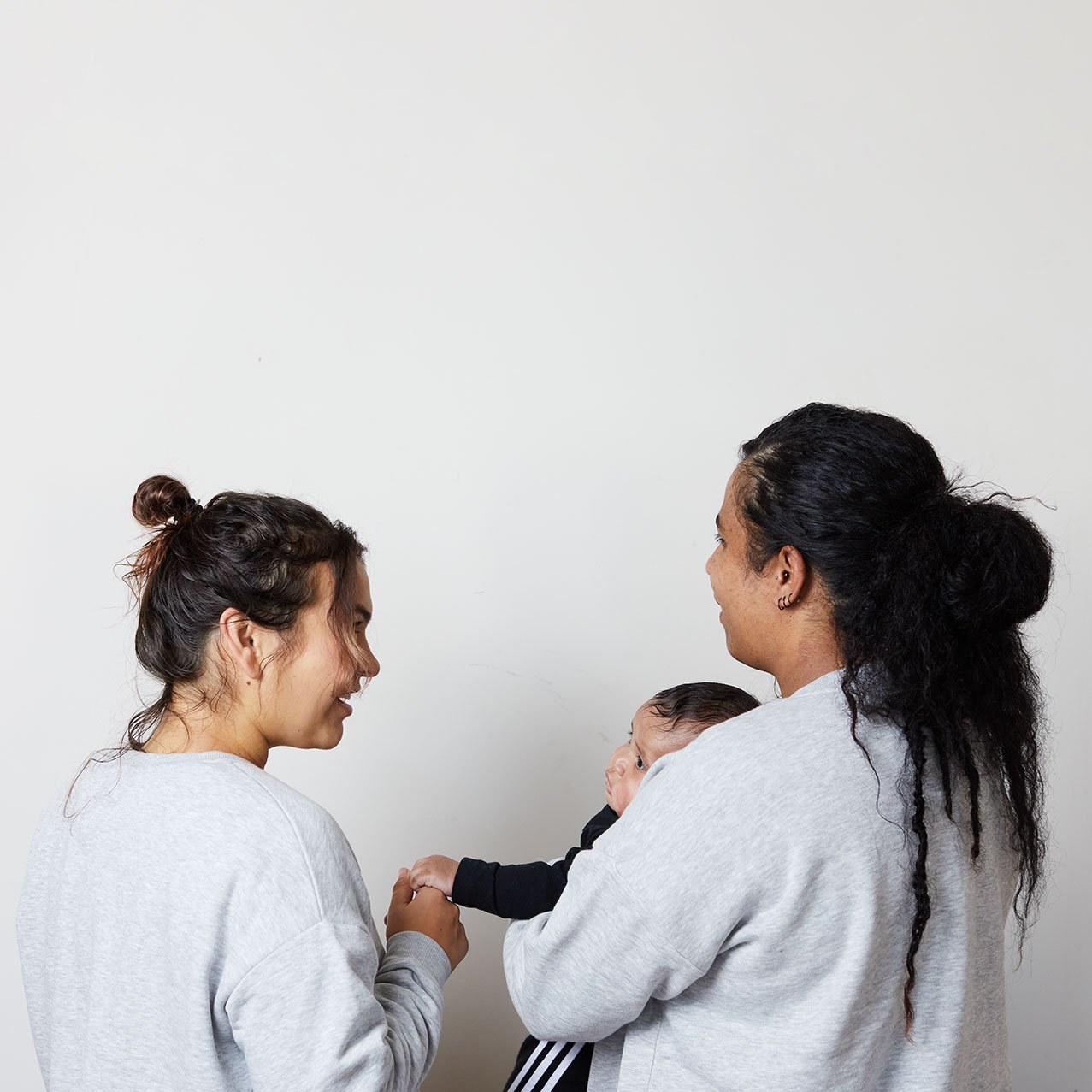
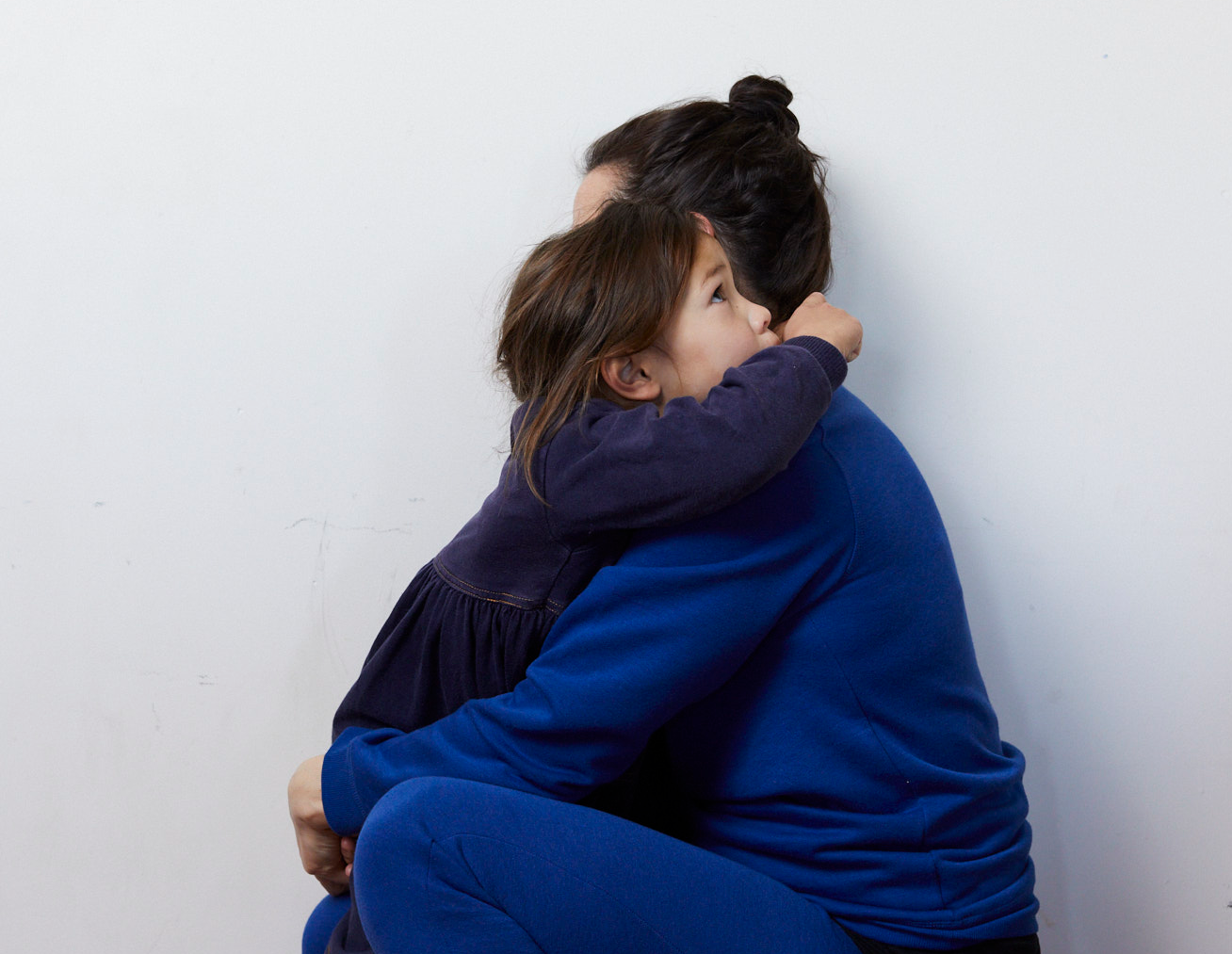
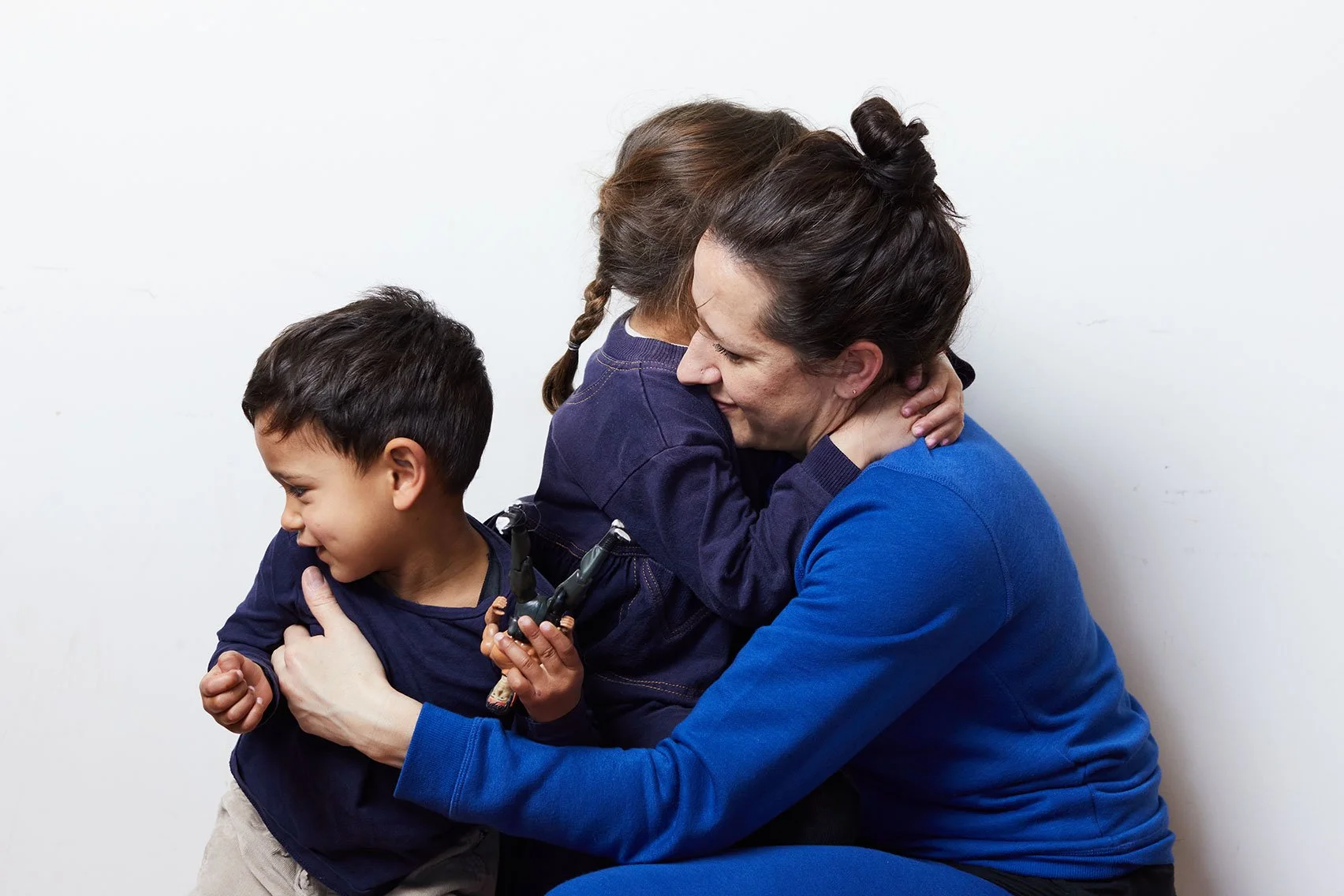
Experiencing a mother go to jail during childhood is a traumatic experience comparable to the death of a parent. Unlike bereavement, children whose mothers are incarcerated don’t receive the same social support, empathy, and practical assistance. Without support children can experience immediate and long-term harm. We aim to minimise that impact by creating opportunities for children to positively connect with their mothers and share meaningful, fun experiences together. We also support children and their carers in their communities.
-
One on one support is provided to children and teenagers who are significantly impacted by their mother being in prison. This support is also extended to guardians and carers who require emotional and parenting support, material aid, assistance with navigating the education and prison systems, and food relief.
-
Children with a mother in prison are supported to go on school holiday adventure camps, including transport to and from camp, after-camp packages, as well as sleeping bags and appropriate clothing. School holidays can be a difficult time for children who have an absent mother, as well as the carers/guardians. The camps are great fun and help build confidence and friendships.
-
Held weekly at Dame Phyllis Frost Centre this program provides a range of fun activities for mothers to participate in alongside their children to encourage positive experiences, healthy attachment, and happy memories.
-
Transport is provided for children to visit mothers if the lack of available transport will keep them from seeing their mother.



In-Prison Programs
Incarceration can be a traumatic experience for many women who have already experienced significant hardships. We deliver a range of in-prison programs that build a sense of hope, preconditions for change, reduce shame and stigma, and strengthen capacity for healthy relationships, including those with children. Women in prison still know us as Hope Network — we currently use our former name for in-prison programs and communications.
-
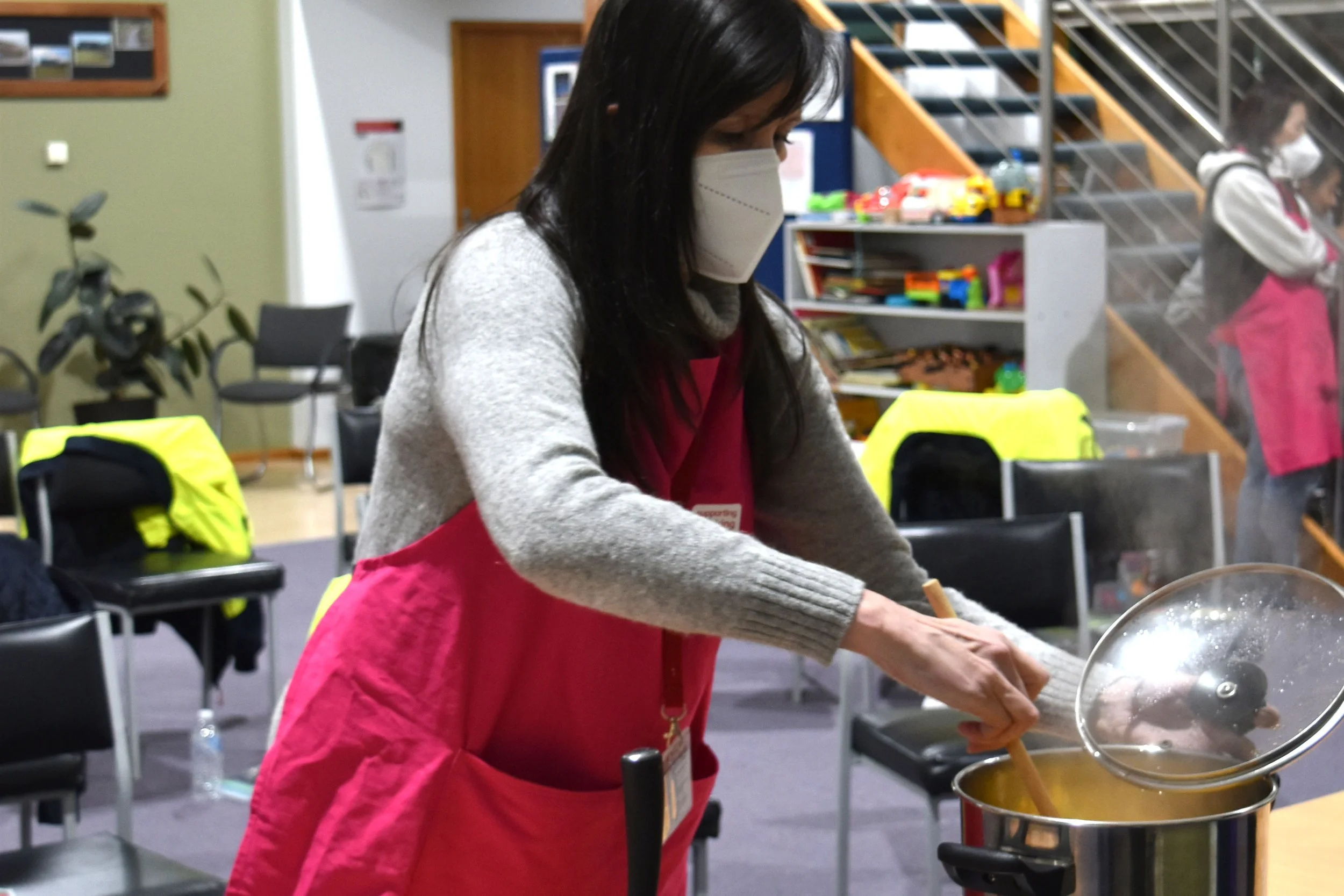
Our most popular program. It all begins at the craft table. Through Craft & Cooking women build confidence and a sense of identity (which is often lost in prison) through making their own creative choices, skill development and making gifts they may share with their children. It provides respite from the often chaotic and unsettling experience of the prison environment and is a space to socially engage with each other and our volunteers.
This program is held multiple times during the week at different units within DPFC and also at Tarrengower.
-
Physical activity is one of the most effective interventions in the management of depression, anxiety, and psychological distress. Fitness is held weekly at DPFC. Women can engage in structured physical activity, learn new skills, and build confidence, strength, and fitness levels. Fitness gives women a way to channel their intention to create change.
-
Held monthly at DPFC on a Saturday this is a day of team competition between volunteers and women in prison. The leisure centre is filled with enthusiastic women ready to put their netball and volleyball skills on display for cheering spectators. We know this day has such a positive impact on the women who participate. It is a wonderful opportunity to build positive relationships with volunteers and each other.
-
Held weekly at DPFC and fortnightly at Tarrengower. It provides a forum for women to discuss and explore their values, priorities, and visions for their future in a positive, accepting environment.
-
One on one support is provided to women in prison who request it. We start engaging as early as remand, when women are feeling overwhelmed and fearful. One on one support in prison helps women to unpack difficult events in their lives, plan for release and start to address the challenges that lead to imprisonment.
-
See Family Support above.




“It has meant a lot to me that you brought my daughter to see me. When I felt everyone, even my father and husband abandoned me, you amazing women brought me hope again.”
— Fun with Mum program
Trauma-informed Care
Evidence shows that most women in prison have been impacted by the experience of trauma, frequently reporting histories of family violence and abuse.
Hope Network understands the impact of trauma on the women we support and so have implemented several measures to ensure that all of our programs and support are trauma-informed, which in turn minimises further trauma and promotes recovery and healing.
Hope Network has developed a practical framework to implement and maintain a trauma-informed approach across all areas of work. This includes underpinning documentation and training for both staff and volunteers, as well as ensuring that policies, programs, and organisational activities are guided by Trauma Informed Care (TIC) principles. This means service delivery and decision-making are filtered through a trauma-informed lens.
The foundational principle of ‘do no harm’ underpins our operations and activities.
With valuable insights from experts, staff, and volunteers, we have developed bespoke documentation, including a TIC Handbook that provides both theory and practical guidance for those working with women who are or have been incarcerated and experienced trauma.
The five core TIC principles guiding all day-to-day practices:
Create Safety
Be Trustworthy
Offer Choice
Collaborate
Empower