2026 Reintegration Puzzle Conference
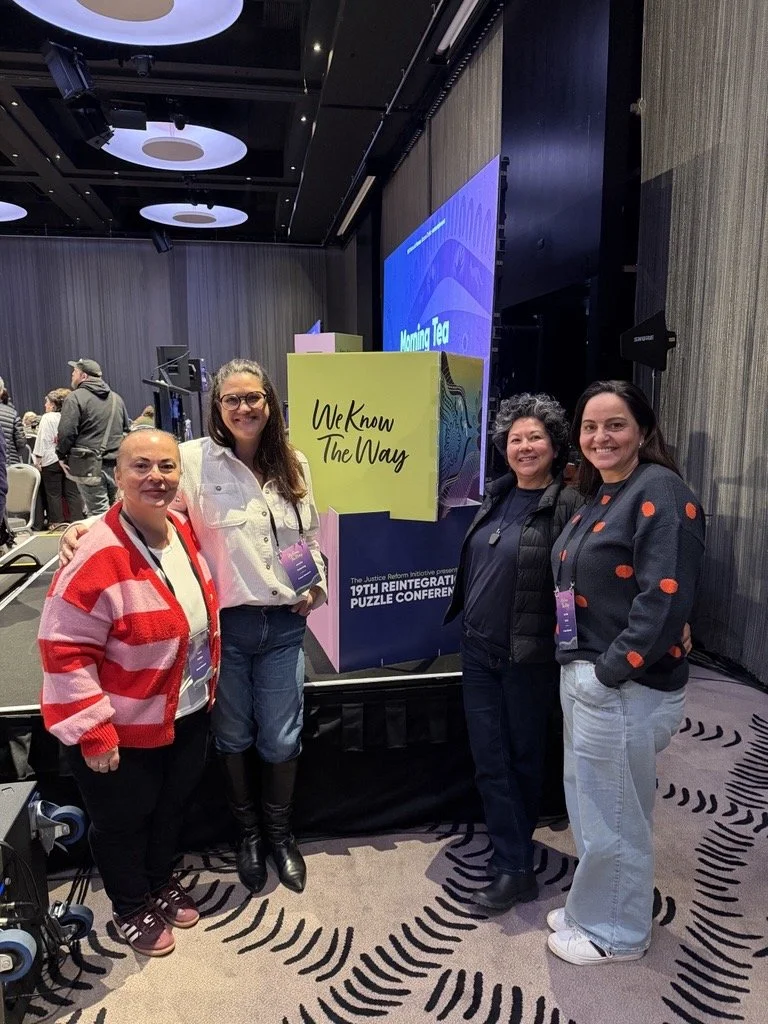
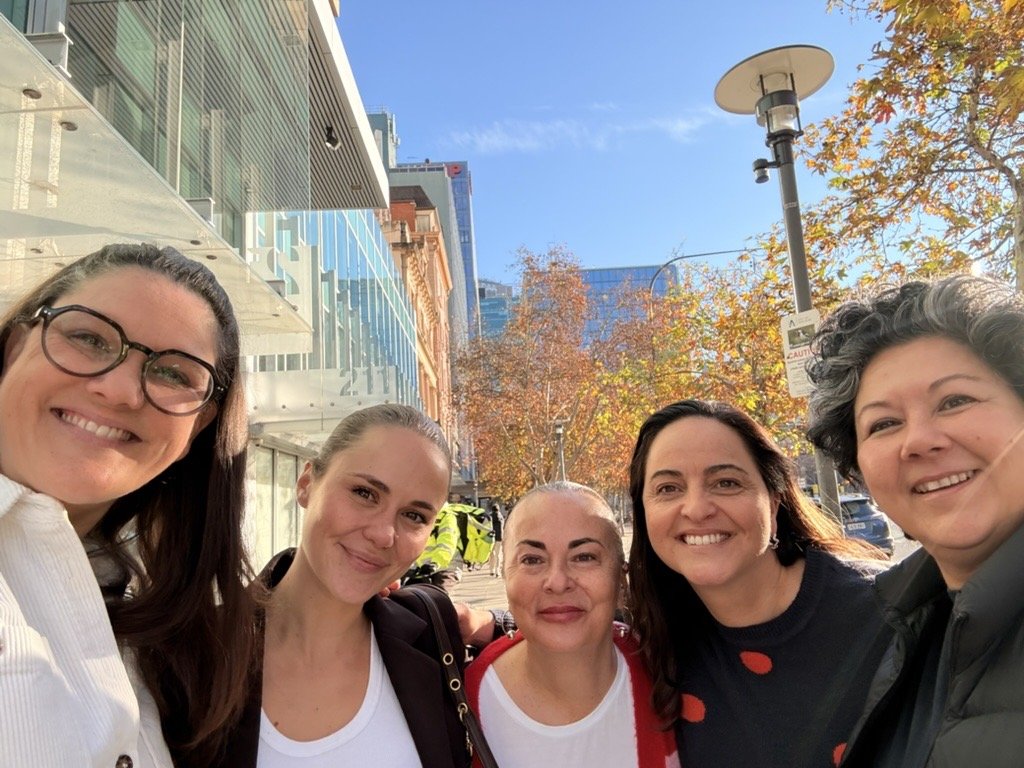
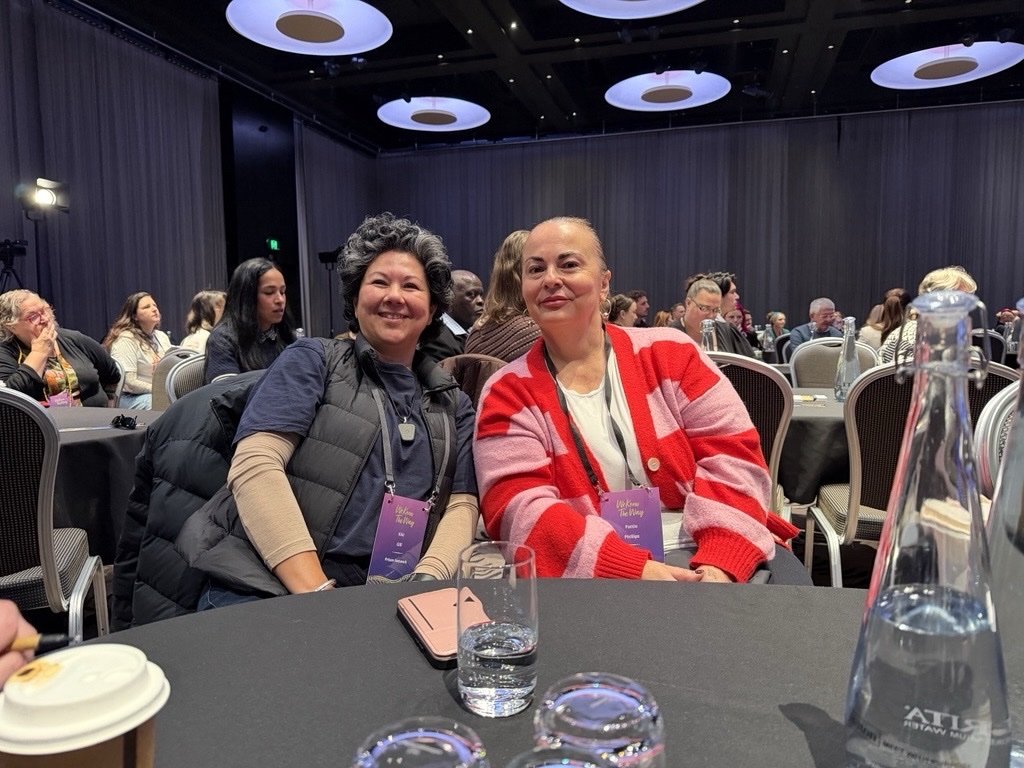
Last month, Amelia, Andrea, Kiki and Pattie travelled to Tarndanya | Adelaide for Justice Reform Initiative’s 2026 Reintegration Puzzle Conference.
Now in its 19th year, the conference has become one of the most important gatherings in this space. It brings together people with lived experience of the justice system, alongside community organisations, researchers, First Nations leaders, and advocates, all working toward a more thoughtful and effective response to imprisonment and re-entry.
Across the few days, there was a strong sense of shared purpose. Conversations moved beyond individual programs to the bigger picture, how we collectively respond to the systemic challenges women face as they rebuild their lives.
Pattie’s reflections:
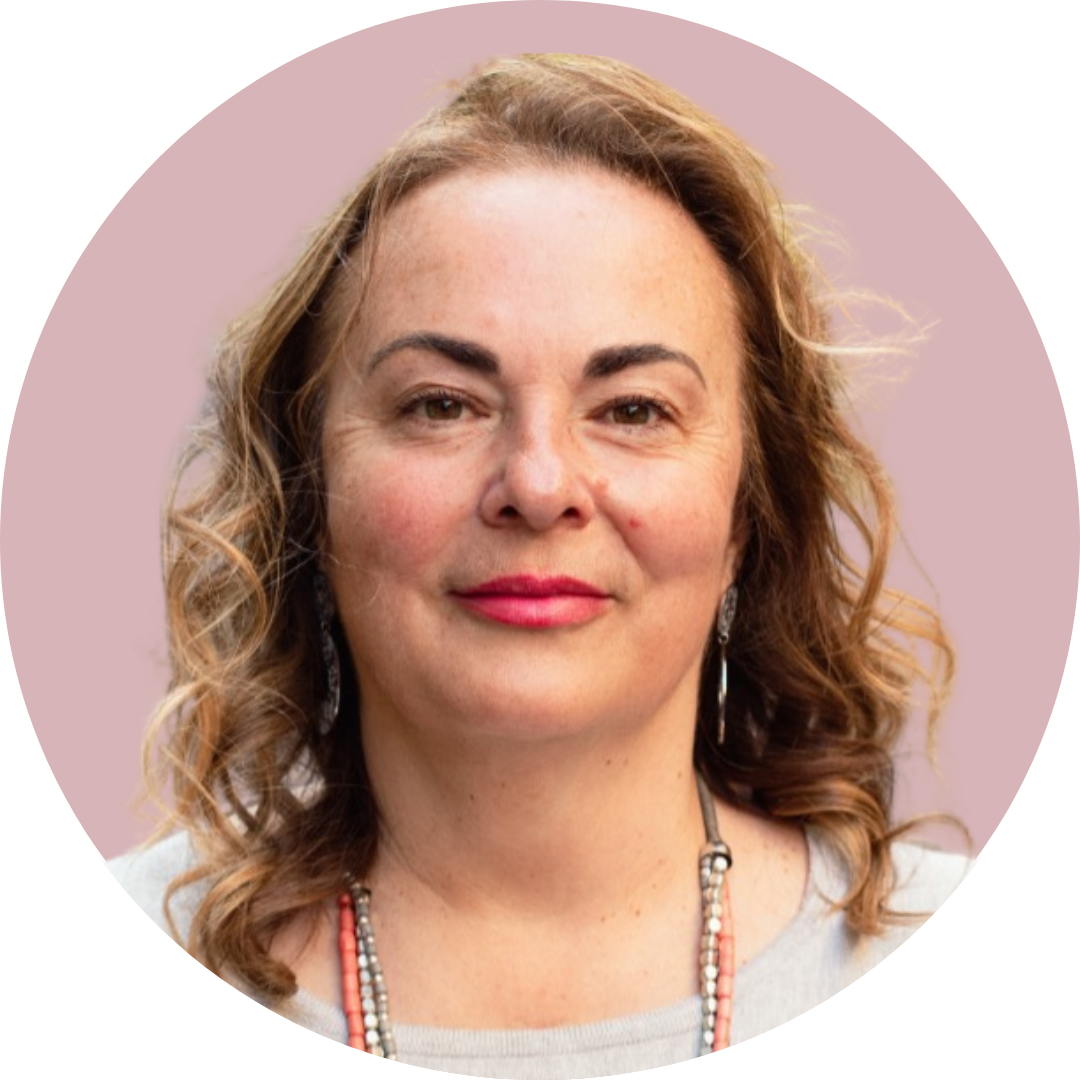
Two incredible days in Adelaide at the Reintegration Puzzle Conference, and my third time attending. Somehow it gets better every year.
It was made even better by having the Hope Network crew there with me. We had a lovely time away together with Amelia, Andrea and Kiki all attending, sharing ideas, debriefing and soaking up every session.
What makes this conference so special is that lived experience isn't an add-on or an afterthought here. It's woven through everything, from the keynotes to the corridor conversations. As someone who has walked this path myself, being in a room where lived experience is treated as genuine evidence and expertise, not just storytelling, never stops being powerful.
My reflections from the two days:
Reintegration is about relationships. Not programs, not paperwork, relationships. Speakers kept coming back to connection as the thing that actually changes lives.
The evidence is there, we just need to implement it. Especially the evidence that comes from lived experience. The gap isn't knowledge, it's action.
One of the highlights was learning about what is being done in Scotland from Karyn McCluskey. Her insights on ending harmful imprisonment, and on moving away from politicised policy making towards using the evidence that actually works, gave me so much to think about for our context here in Australia.
I left Adelaide feeling energised, challenged, and more certain than ever that people with lived experience belong at every table where decisions about imprisonment and reintegration are made.
And some great news to finish: next year the conference is coming to Melbourne! Our home turf. We can't wait!
Kiki’s reflections:
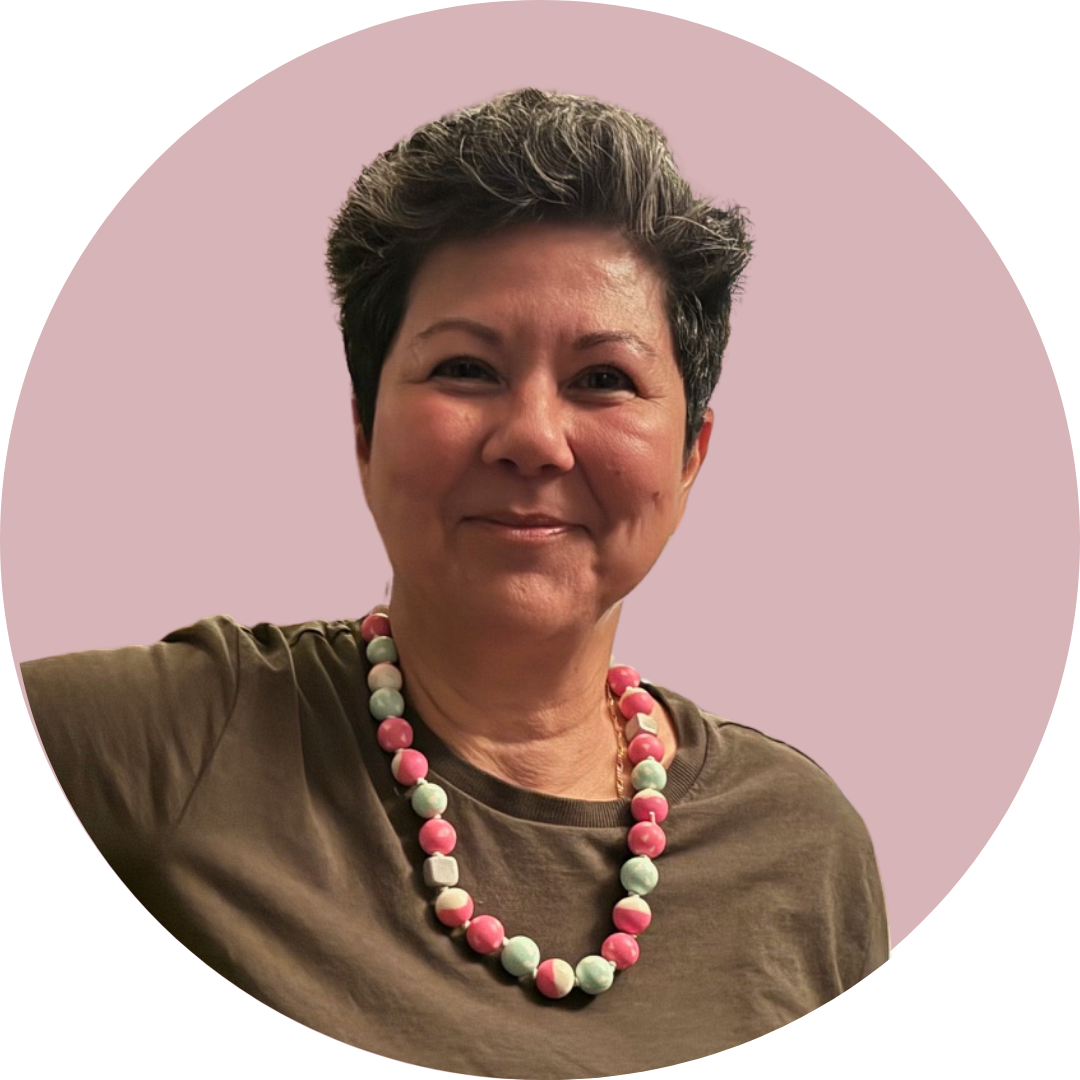
“Attending the Reintegration Puzzle Conference over the past two days was more than just professional development for me. It was affirming, challenging, emotional and deeply meaningful.
I arrived not fully knowing what to expect. I had heard mixed things beforehand and part of me wondered whether the conference would feel negative or heavy. Instead, I found myself surrounded by people who were serious about change, but also grounded in hope, care, collaboration and lived experience leadership.
What stood out most was the sense of belonging. I felt welcomed by people in the lived experience space, and there was something very powerful about being among people who understand the system not only from policy or practice, but from the inside. I did not feel like I had to explain everything. I could simply be in the room, listen, contribute and connect.
Across the two days, I kept coming back to the same theme: reintegration is not just about the individual leaving prison. It is about families, children, carers, housing, culture, community, dignity, identity and belonging. That has strengthened my understanding of where Family Support sits in this work.
The conference helped me see Fun with Mum as part of a much bigger picture. It is not just a weekly activity. It is a protective space for children and mothers. It helps preserve connection in a system that often damages family relationships. It gives children a chance to see their mother as “mum”, not as a prisoner. It also gives mothers a chance to remain connected to their parenting identity while they are inside.
The conversations around children and young people were especially powerful for me. Hearing the keynote speakers talk about youth justice in Hawaii and Spain reinforced that punishment does not heal harm. Young people need safe relationships, family connection, culture, education, belonging and adults who believe in them. I kept thinking about intergenerational harm, and how important it is that we support families earlier and more carefully.
The meeting with Naomi from KWOOP, together with Amelia, Andrea and Pattie, was also a highlight. It was a strong example of sector collaboration. We spoke about women’s justice, housing, First Nations engagement, peer-led work and family support. I was able to share my role in Fun with Mum and speak from my own experience of being separated from my son during COVID. That conversation reminded me that the impact of incarceration does not sit only with the woman inside. It ripples through children, carers, partners and whole families.
The conference also made me think about the importance of language. Words matter. Whether someone is called a prisoner, an offender, a woman, a mum, a young person, or a child changes how they are seen and treated. In Family Support, that matters deeply. The way we speak about women and their children can either reinforce shame or support dignity.
I also took away a stronger appreciation of peer-led lived experience spaces. Nina’s Joe Graffam Award speech was a powerful reminder that lived experience is not just storytelling. It is wisdom, leadership, accountability and community. Safe lived experience spaces allow people to speak honestly, challenge systems, support each other and create change.
Overall, I left the conference feeling proud to be part of Prison Network and clearer about the value of my role. I could see how the work we are doing in Family Support, especially through Fun with Mum, connects directly to the wider reintegration movement. I also came away with more confidence that my lived experience has a place in this work, not as something separate from professional practice, but as something that strengthens it.
The biggest learning I am bringing home is this: family connection is not a soft issue. It is central to reintegration, prevention and healing. If we want to break cycles of harm, we have to support mothers, children and carers together.”